ESG
Environment

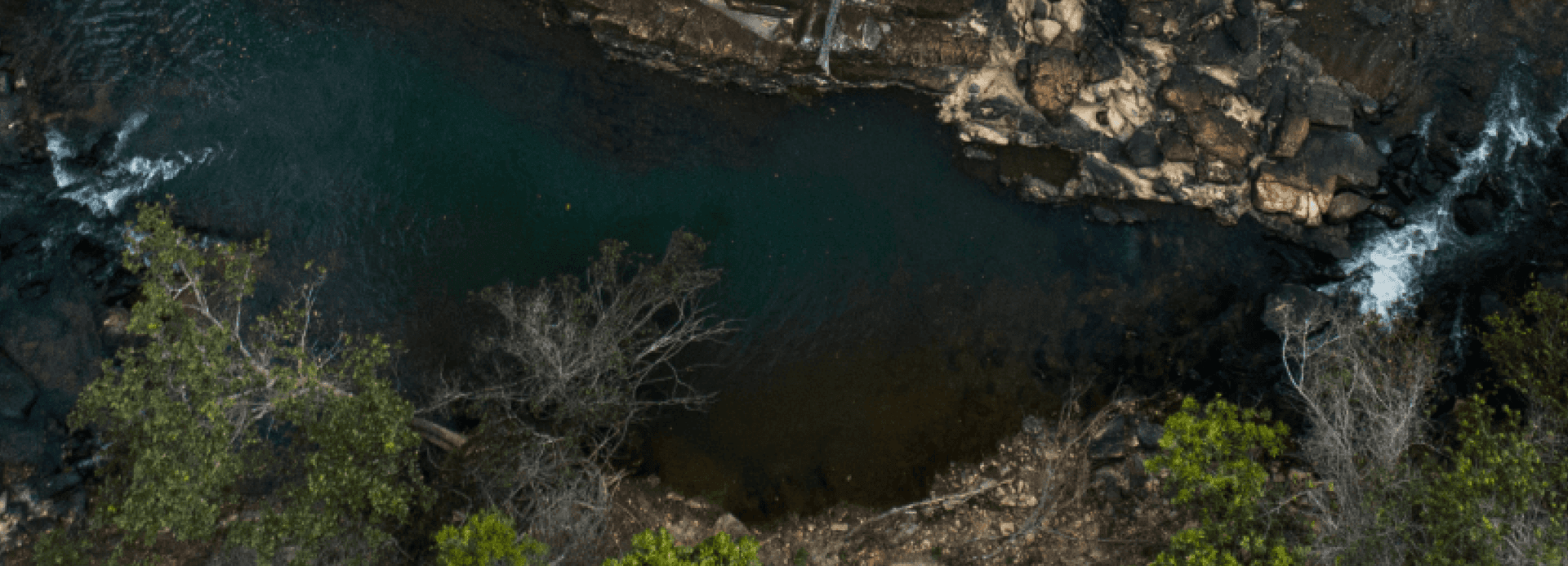
CBA produces the energy needed to manufacture its aluminum at its Hydroelectric Plants. The year 2022 marked the process of bringing these Plants under the direct control of the Company, which were previously managed by Votorantim Energia (now Auren) under a service contract. This process was a result of the reorganization of Votorantim S.A., where the invested companies received greater independence in their operations.
Currently, CBA has:
– 23 Hydroelectric Plants in 6 Brazilian states
– 17 plants under its own operation and 6 through consortia
What the Energy Business Does
- Generation of energy from existing projects
- Interface with the consortia
- Maintenance and improvement of the Plants
- Socio-environmental management around the Plants
- Licensing activities for the projects
- Health and safety of the teams
- Regulatory and commercial management
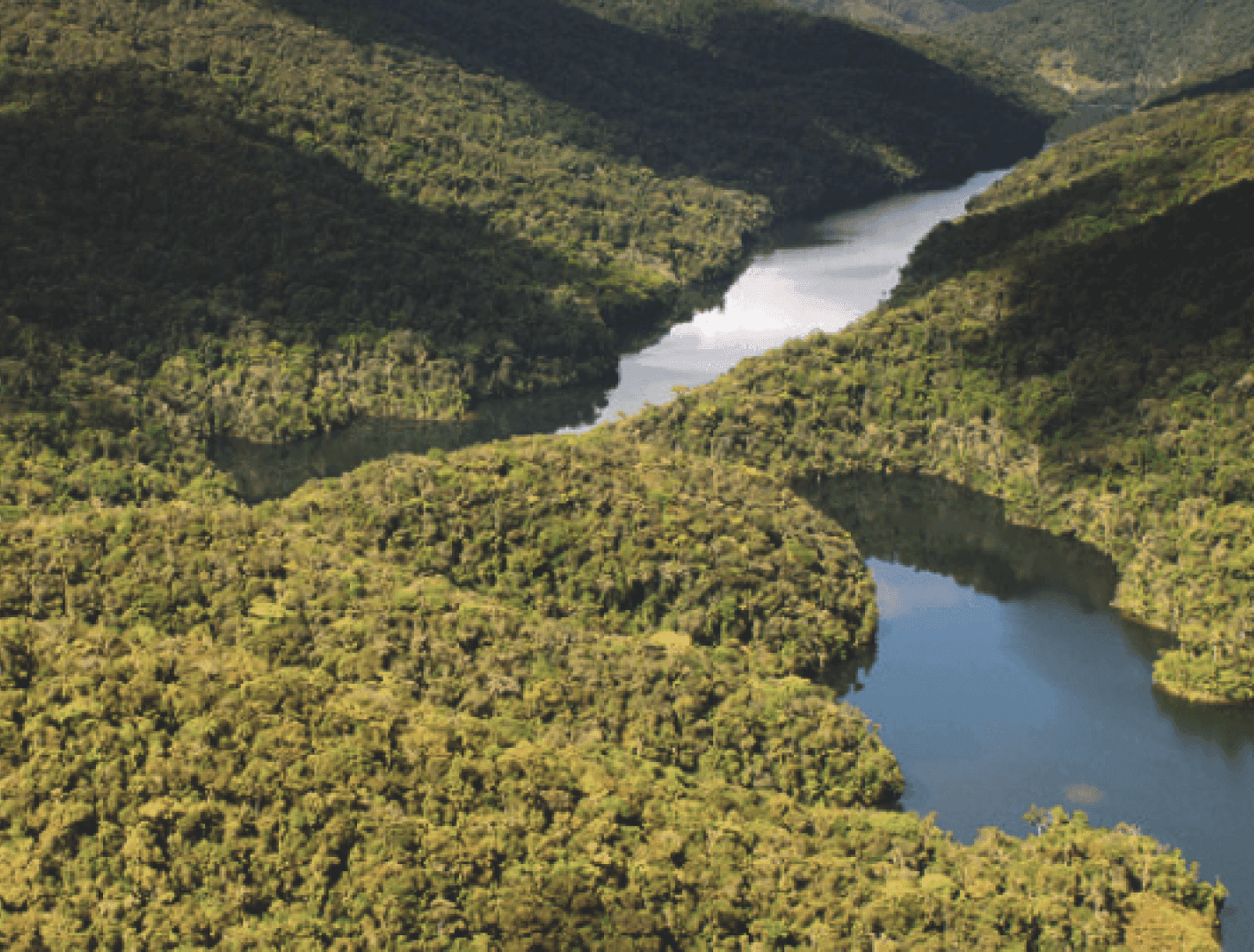
Renewable Energy Generation
Impact of Energy on Aluminum Production
The aluminum production process is highly energy-intensive, meaning that electricity is a crucial input. Energy expenses account for 25% of the production costs in the Smelting Plants. This underscores the significance of energy consumption for this industry and highlights the competitive edge that CBA has by being a self-generating company.
By generating the energy required for its production, the Company ensures supply at a competitive cost without needing to resort to the market for procurement. This advantage positions CBA as a standout among other global aluminum producers.
Energy Efficiency
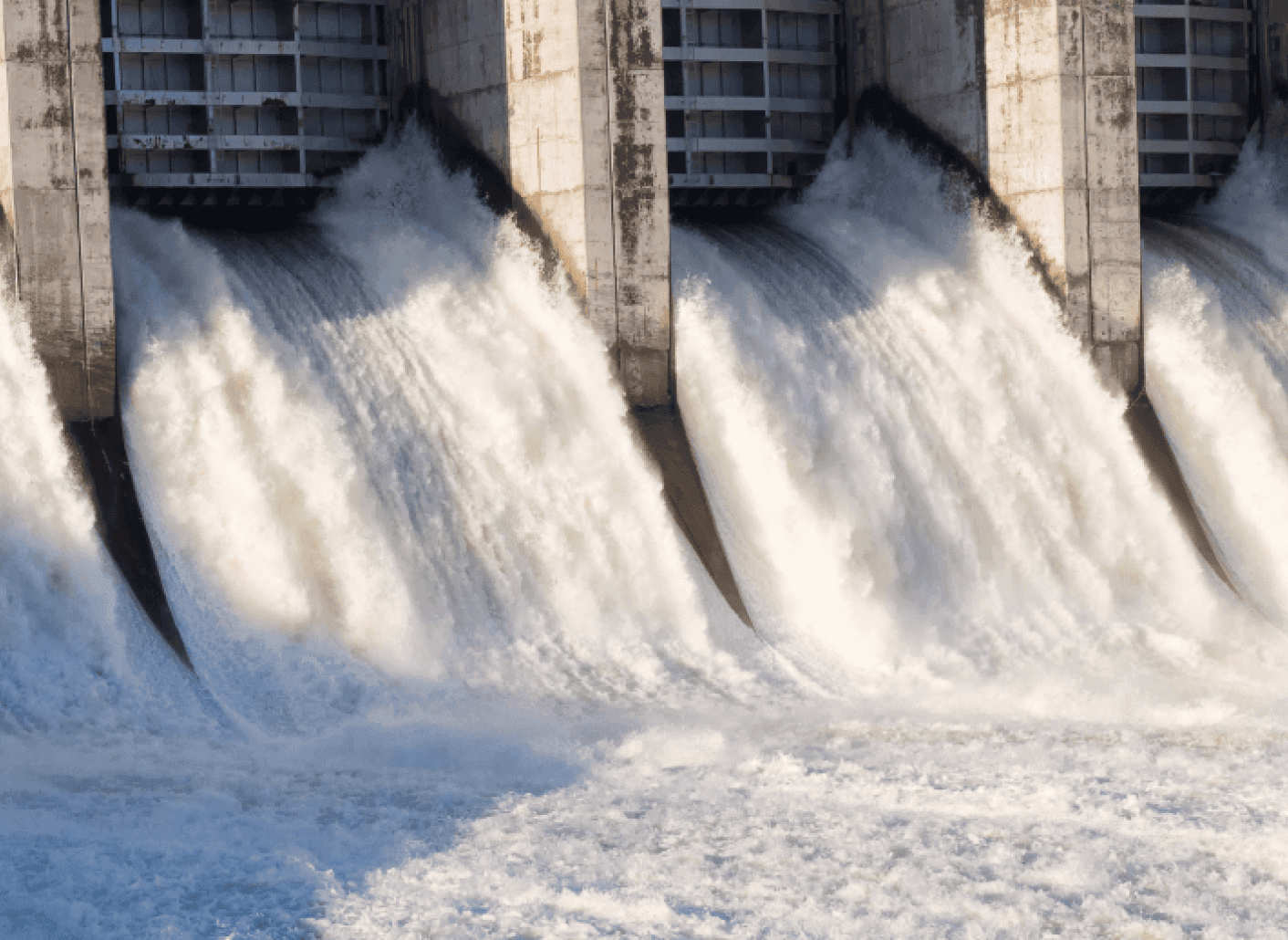
Aluminum production is highly dependent on electric energy, especially in the electrolysis stage that occurs in the Potrooms. However, CBA has a significant competitive advantage: 21 own hydroelectric plants with the capacity to generate 100% renewable electric energy to supply the activities of the Aluminum Plant. Even so, we understand that there is always room for improvement when it comes to sustainability.
This program operates in the following SDGs
(Sustainable Development Goals)
Our 2030 Goals
Achieve 100% renewable energy sources for electricity in production processes.
Expand installed capacity of renewable sources, beyond hydroelectric.
Reduce energy intensity (electricity and fuels).
Meet other levers

Dams Management
Dams Management

Aluminum circularity
Aluminum circularity

Climate Change
Climate Change

ESG Ownership
ESG Ownership

Natural Resources
Natural Resources

Social Legacy
Social Legacy

Valorization of People
Valorization of People

Renewable Energy
Renewable Energy

Ethics and Transparency
Ethics and Transparency

Sustainable Value Chain
Sustainable Value Chain

Esg Communication
Esg Communication