Growth
Maximize value through risk-return balanced growth


In 2025, Companhia Brasileira de Alumínio (CBA) marked 70 years of operations—a strong track record built on innovation, ethics, environmental and social responsibility, and a remarkable ability to transform and reinvent itself. Over these seven decades, the Company has contributed to the development of Brazil and the broader industrial sector, producing aluminum solutions that truly transform lives.
CBA’s Primary Business spans the end-to-end production chain—from mining and refining through smelting and manufacturing of primary products—ensuring a fully traceable and low-emission value chain.

1,9
million metric tons
of bauxite processed

672,6
thousand metric tons
of hydrate produced

641,6
thousand metric tons
of alumina produced
360,1
thousand metric tons
of low-carbon molten aluminum produced

CBA’s Primary Business spans the end-to-end production chain—from mining and refining through smelting and manufacturing of primary products—ensuing a fully traceable and low-emission value chain.
The Downstream & Recycling Business is a strategic platform for driving value creation and decarbonization through a combination of operational efficiency, portfolio growth in higher value-added segments, and expanded recycling capabilities.

133,2
thousand metric tons
of downstream products
199,7
thousand metric tons
of aluminum scrap processed as a raw material
Approximate 20% increase in sheet production capacity at the Itapissuma (PE) plant, enhancing operational efficiency and expanding value delivery with the ongoing CREEP 2 project
CBA’s Energy Business provides a 100% renewable and traceable electricity supply, shielding the Company from energy market volatility and supporting low-carbon aluminum production.
1.462 MW installed
capacity across 21 hydroelectric plants — 15 wholly-owned and 6 jointly-owned — and 4 wind complexes
6.360,9 GWh
of 100% renewable electricity generated

Wind generation capacity increased by 115 MW in 2025, strengthening energy security and accelerating renewable expansion through CBA’s stake in the Serra do Tigre and Cajuína III wind complexes
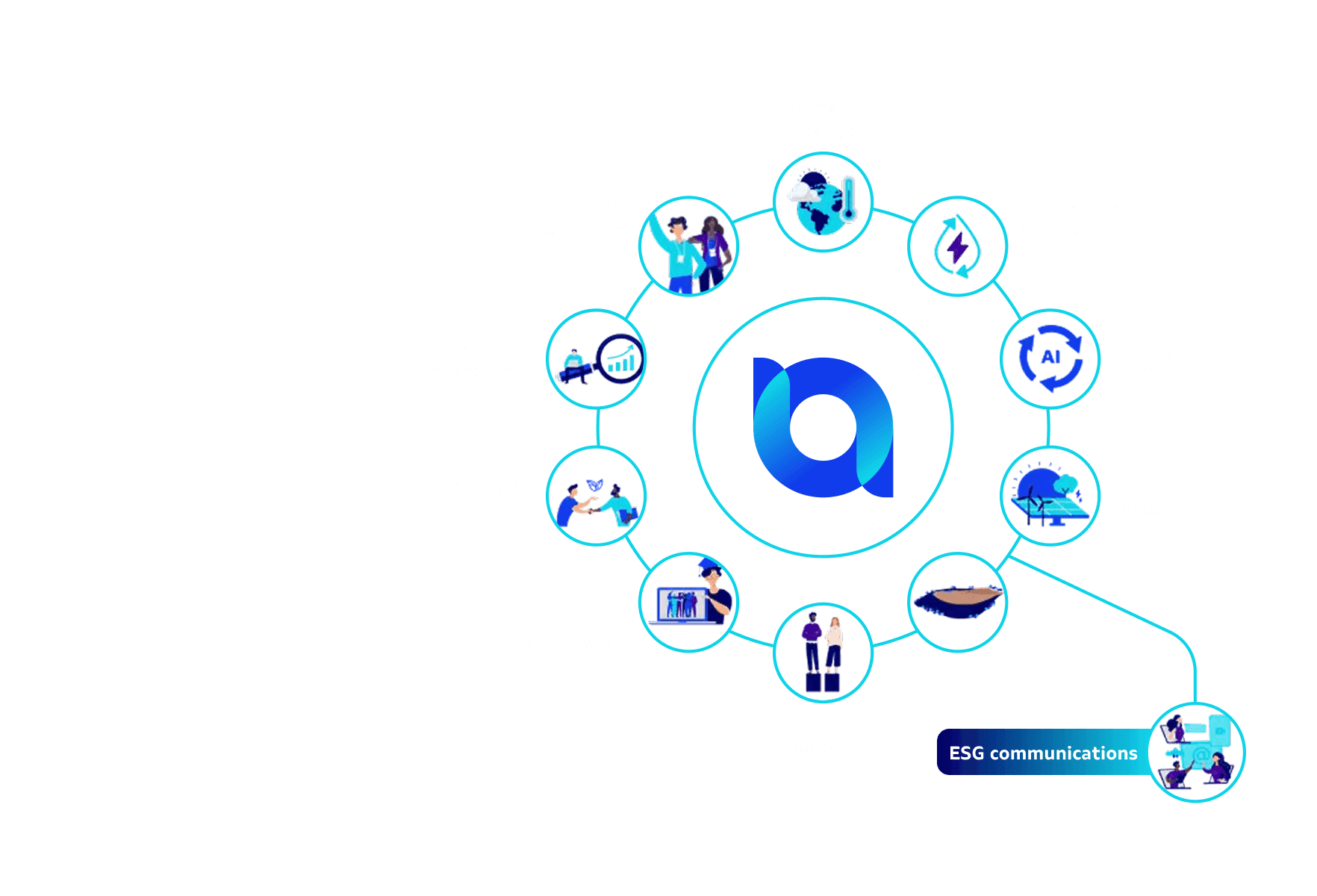
CBA’s strategy is structured around four pillars that guide capital allocation and business unit priorities:
CBA as a benchmark in sustainability
Delivering an offering of low-carbon aluminum products and sustainable solutions in partnership with stakeholders, while developing the communities where the Company operates and positively influencing the end-to-end aluminum value chain
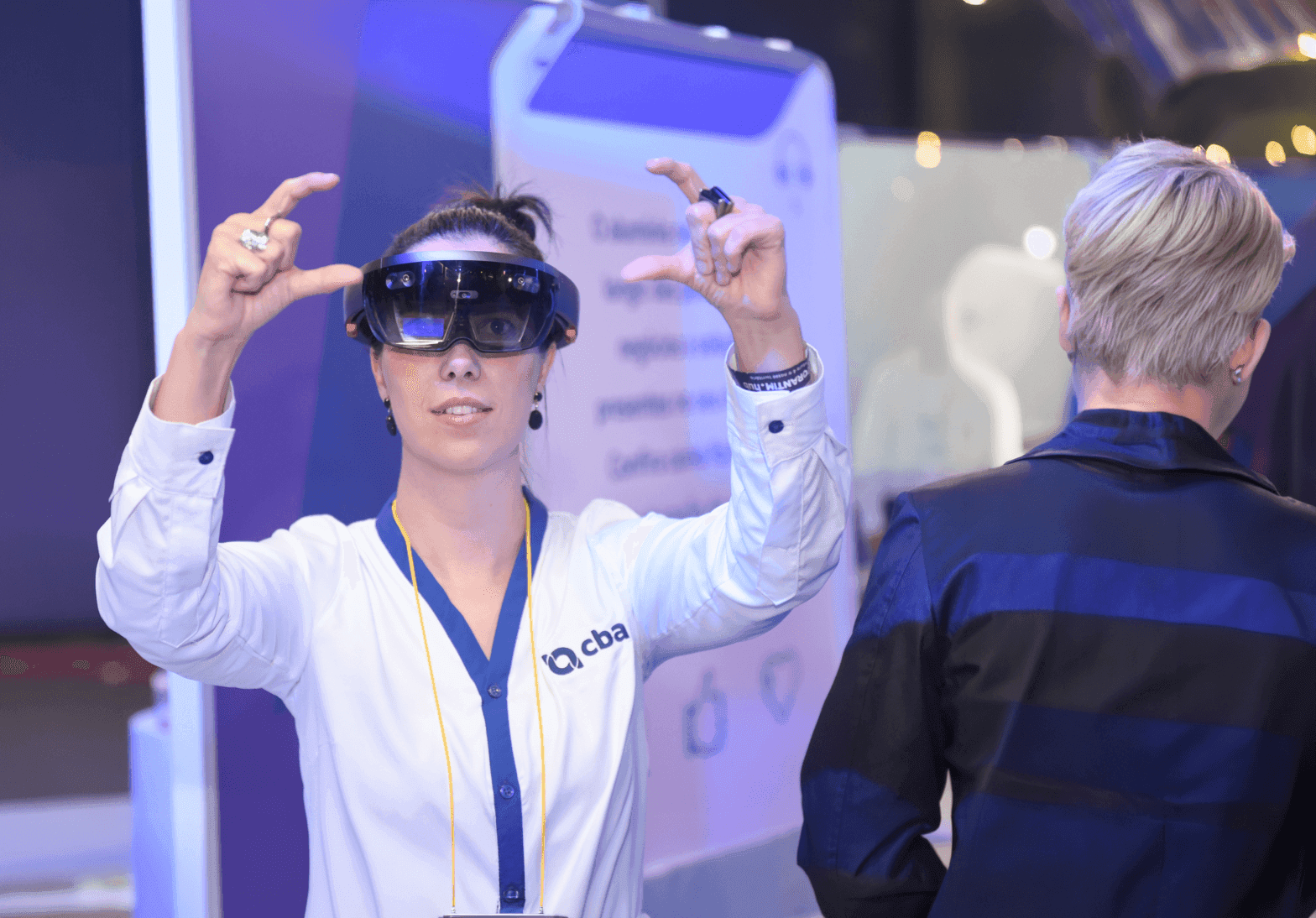
In 2025, CBA advanced its digital maturity by scaling technology solutions aligned with the ESG agenda—strengthening governance, fostering a culture of innovation, and enhancing strategic management through the DigitALL program and a unified technology platform aligned with business and stakeholder priorities.
implemented, led by 13 multidisciplinary agile squads
employees engaged in digital initiatives
or avoided through DigitALL initiatives in 2025
As CBA marked its 70th anniversary, the Company reaffirmed its people-centric approach by prioritizing holistic health and strengthening diversity, equity, inclusion, and safety initiatives as core pillars of sustainable performance.
With an 87% participation rate, the 2025 Diversity Census used robust diversity metrics and an expanded scope including dimensions such as generational diversity and religious identity, providing enhanced insights and strengthening CBA’s positioning as a diverse, equitable, and inclusive organization


direct employees

thousand hours of training per employee

hours of training and development in holistic health

women in the workforce, with 22.5% in leadership positions (management and above)
As part of its commitment to generating positive impact, CBA translates its social legacy into tangible actions that strengthen communities, safeguard rights, expand opportunities, and advance long-term, sustainable social and economic development.



Expanded the AGP Climate Action Program to two additional municipalities—an initiative that has received recognition from organizations such as the World Business Council for Sustainable Development (WBCSD) and the Amcham Eco Awards
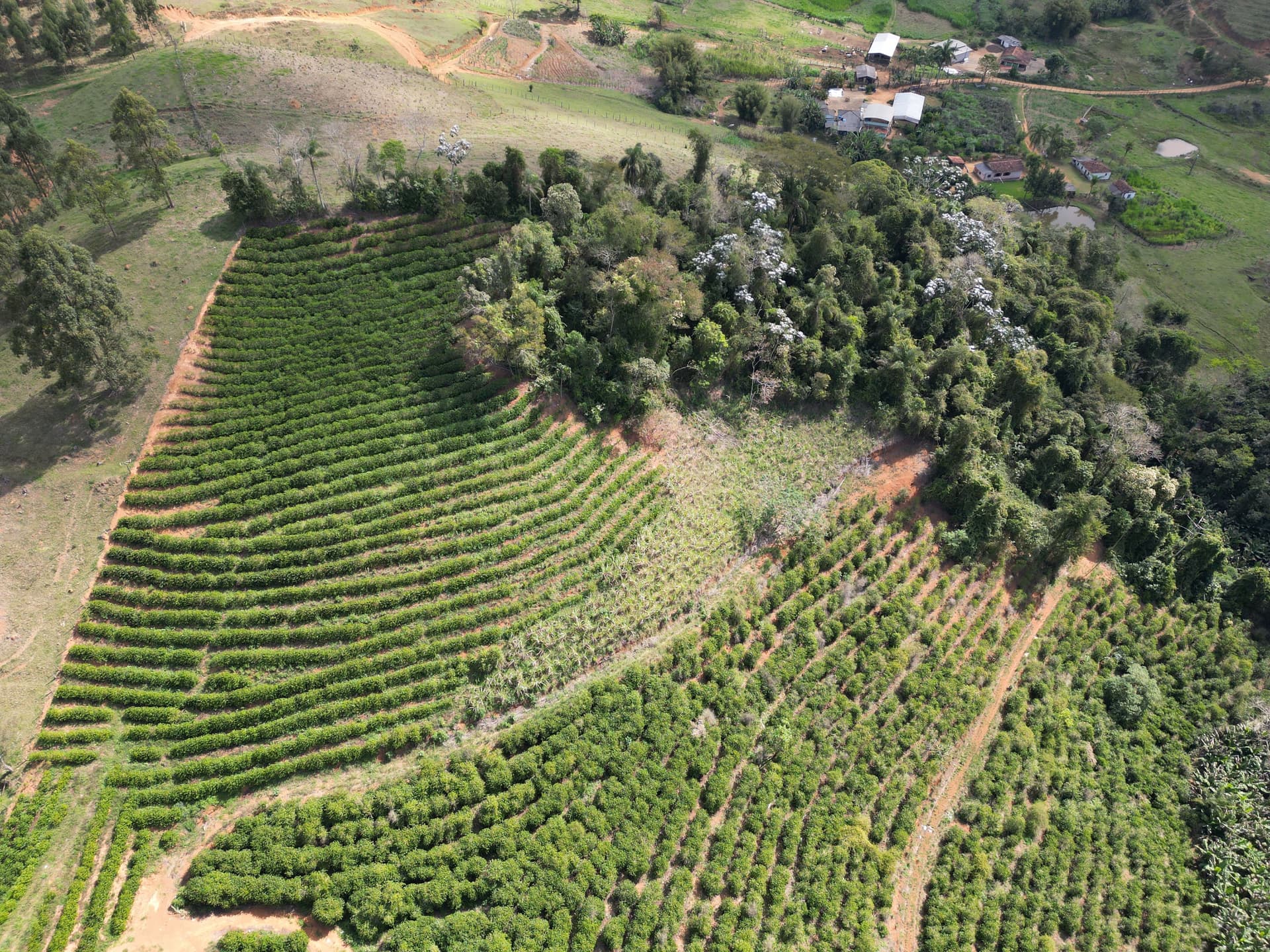
At CBA, environmental stewardship is a core pillar of business sustainability, guiding initiatives across climate, circular economy, and natural resource management, supported by clear targets, integrated governance, and a culture grounded in responsibility, innovation, and responsible resource use.
In 2025, the Sustainability Committee refocused exclusively on ESG matters, in response to an increasingly complex regulatory landscape and the upcoming mandatory adoption of IFRS S1 and S2 standards in Brazil beginning in 2026.

Approximately, participated in “Ethics Hotline Moment” sessions across all business units

have adopted the Alennium low-carbon label

co-creation project portfolio delivering ESG benefits

spend allocated to local suppliers
Net revenue
R$ 8,8 bn
(+8% vs. 2024)
Aluminum sales
499 metric tons
(-1% vs. 2024)
Adjusted EBITDA
R$ 1,1 bi
(-19% vs. 2024)
Adjusted EBITDA margin
13%
(-4 p.p. vs. 2024)
Explore CBA’s annual reports.